The same gesture, repeated at a particular time or in a particular place, can carry more meaning than it seems to at first. Religious rituals make that repetition visible, but their significance is not always obvious to someone watching from the outside.
Repetition Holds a Memory
A ritual may connect participants with a story, a calendar, or a community's account of what matters. Its familiar sequence can carry memory from one gathering to the next, even when the people taking part are new to it. The meaning depends on the tradition and on how its members explain the practice.
The Gesture Is Not the Whole Story
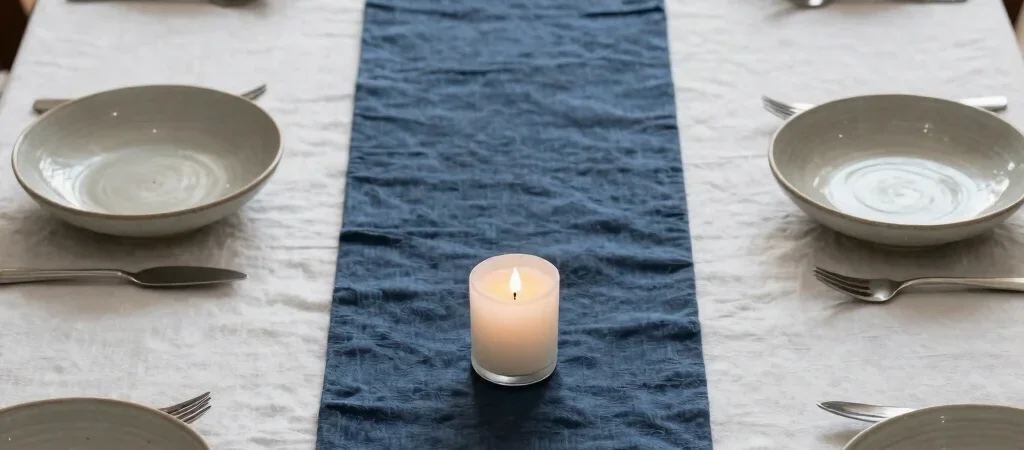
Washing, fasting, lighting candles, and sharing a meal appear in different religious settings, but the gestures are not interchangeable. A practice can mark preparation, remembrance, devotion, hospitality, or something else entirely. Asking what participants say it means is more reliable than assigning meaning from appearance alone.
Belonging Can Be Part of It
Rituals often give people a way to take part in a shared practice, whether through spoken words, movement, food, or attentive silence. Participants may experience that togetherness differently, and not everyone in a community will describe the ritual in the same terms. To understand a ritual, look at both its repeated form and the people who give it meaning.